What to Do: Storm Damage Problem Guides
Direct-answer guidance for specific storm damage situations -- a roof leak after a hailstorm, missing shingles, dented gutters, a ceiling stain, or a tarp that blew off.

Roof Leaking After a Hailstorm: What to Do First

Missing Shingles After a Storm: What to Do
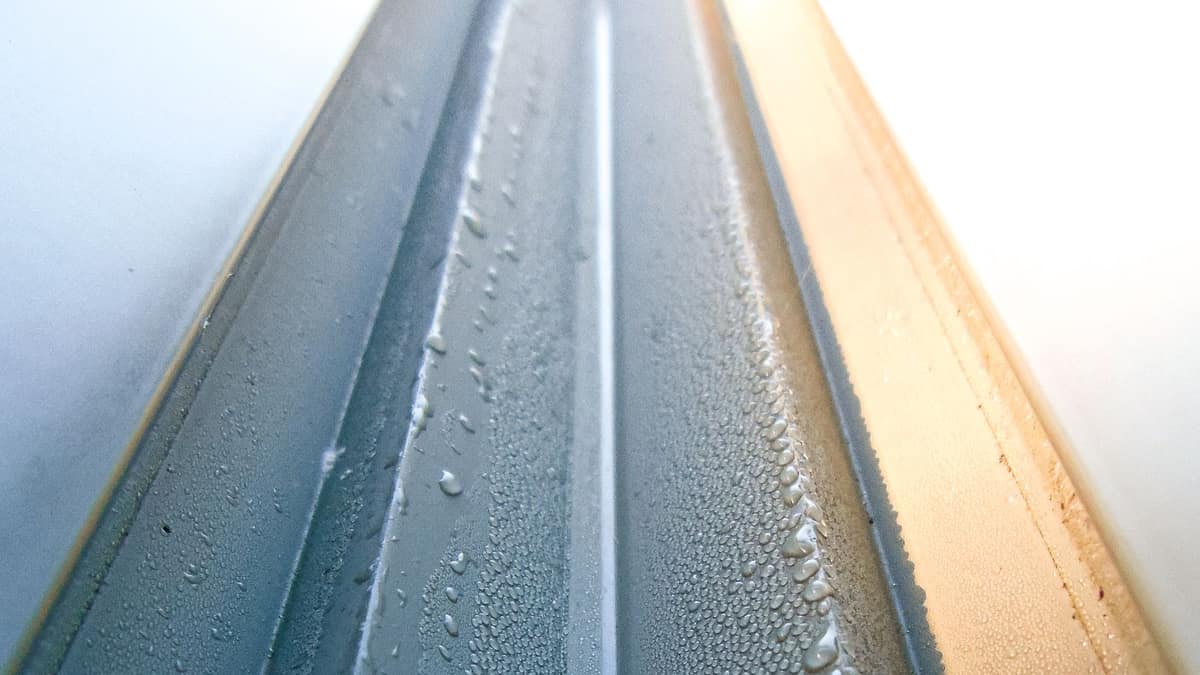
Hail Dents on Gutters and AC Unit: What It Means for Your Roof

Ceiling Water Stain After a Storm: Is It a Roof Leak?
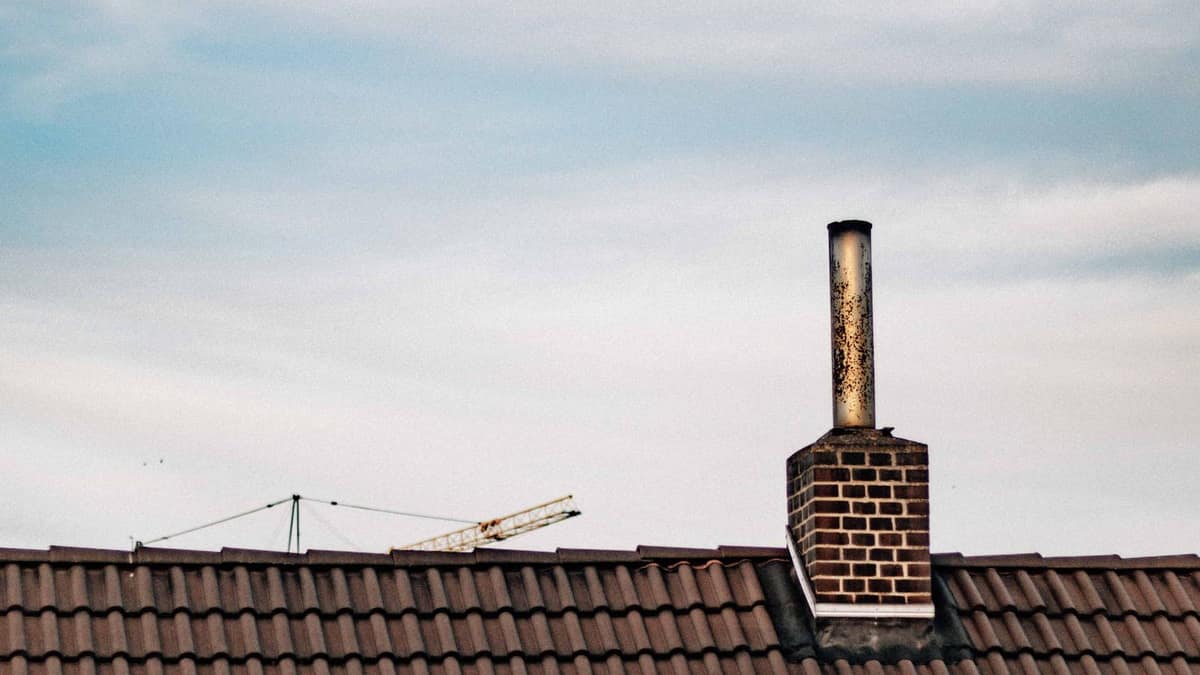
Tarp Blew Off the Roof: What to Do Now
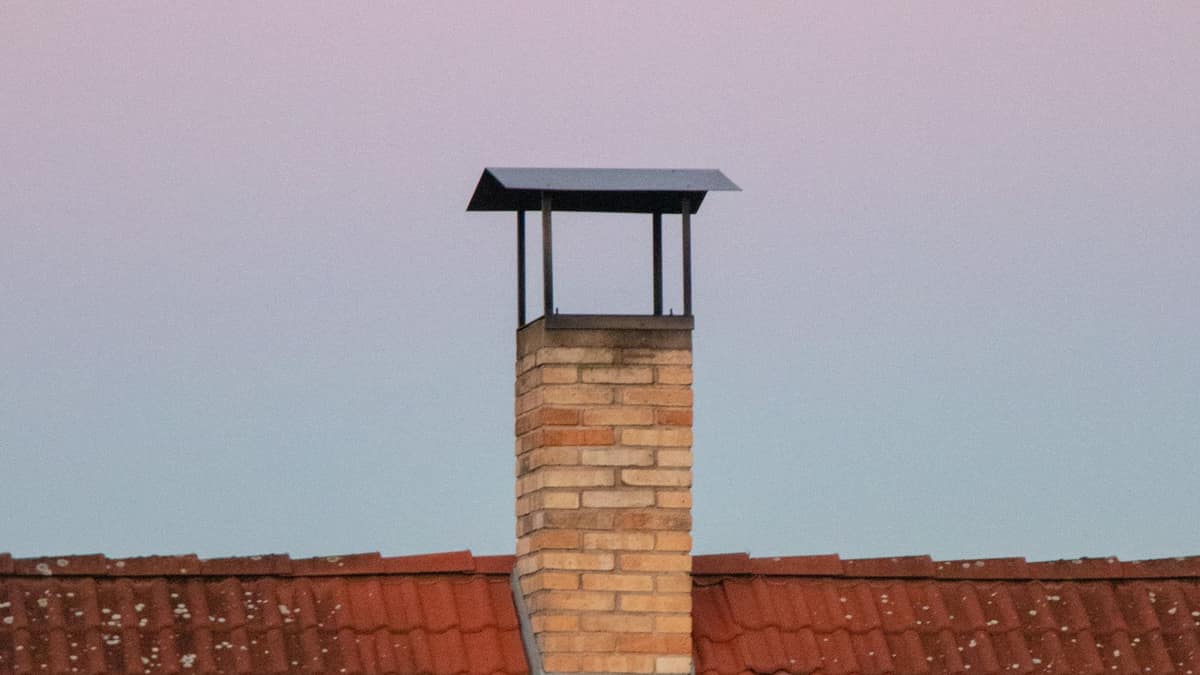
Skylight Leaking After a Storm: What to Do Now

Chimney Leaking After a Storm: What to Do Now

Hail Damage Visible on Shingles: What to Do Next
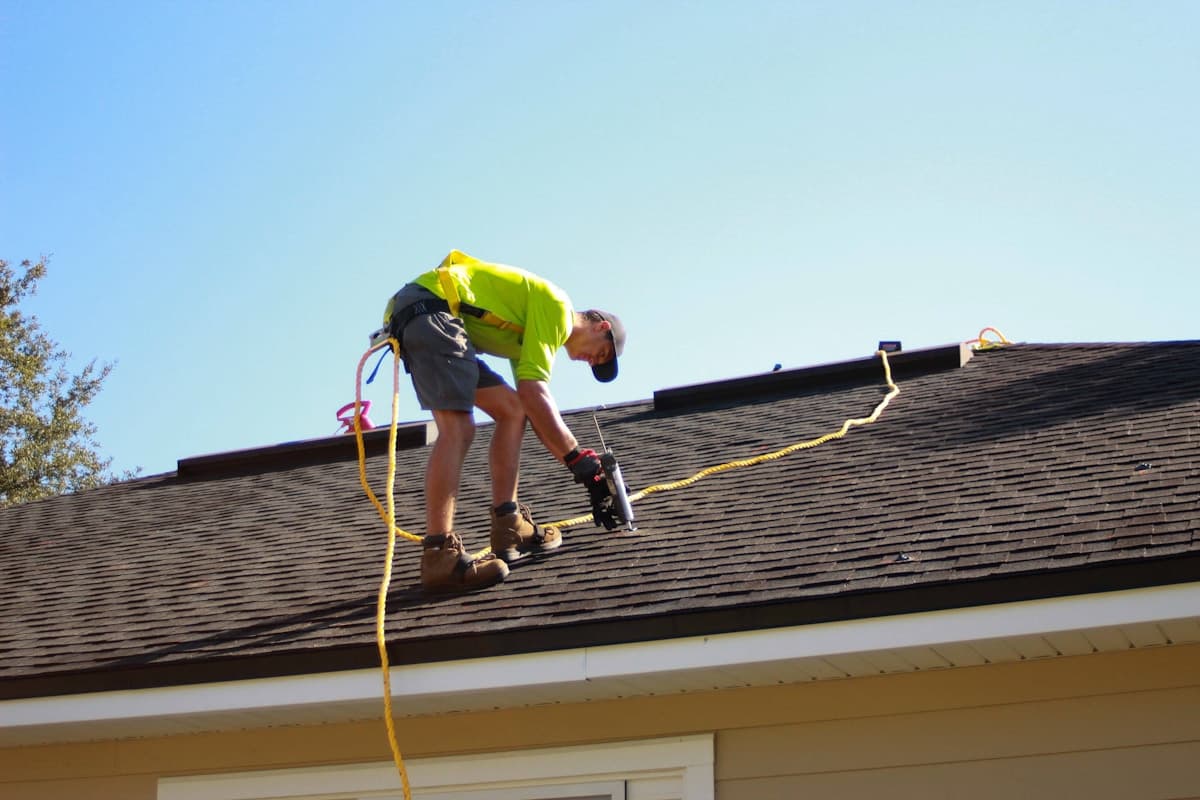
Insurance Adjuster's Roof Estimate Too Low: What to Do Next
Gutters Pulling Away From the House: What to Do Now
Old Roof Flagged in a Home Inspection Before Selling: What to Do
Rotted Roof Decking Found During Installation: What Happens Next
Chimney Flashing Warning Signs Before a Full Leak: What to Do Next
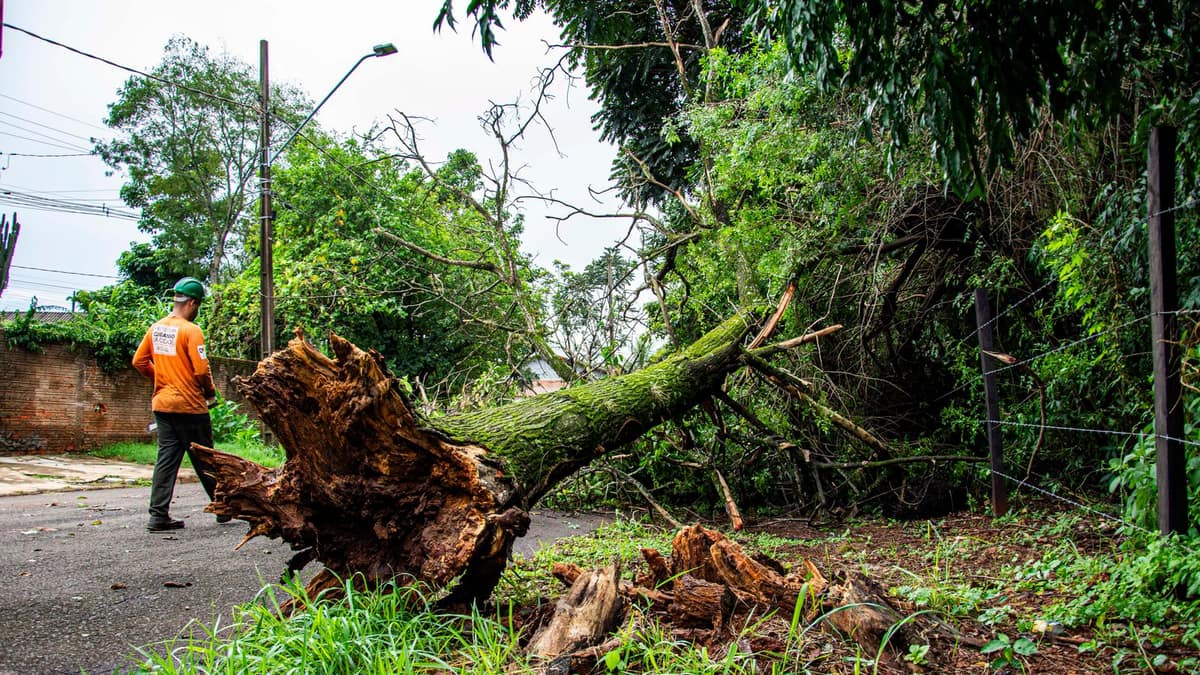
Tree Fell on Your Roof After a Storm: What to Do Now
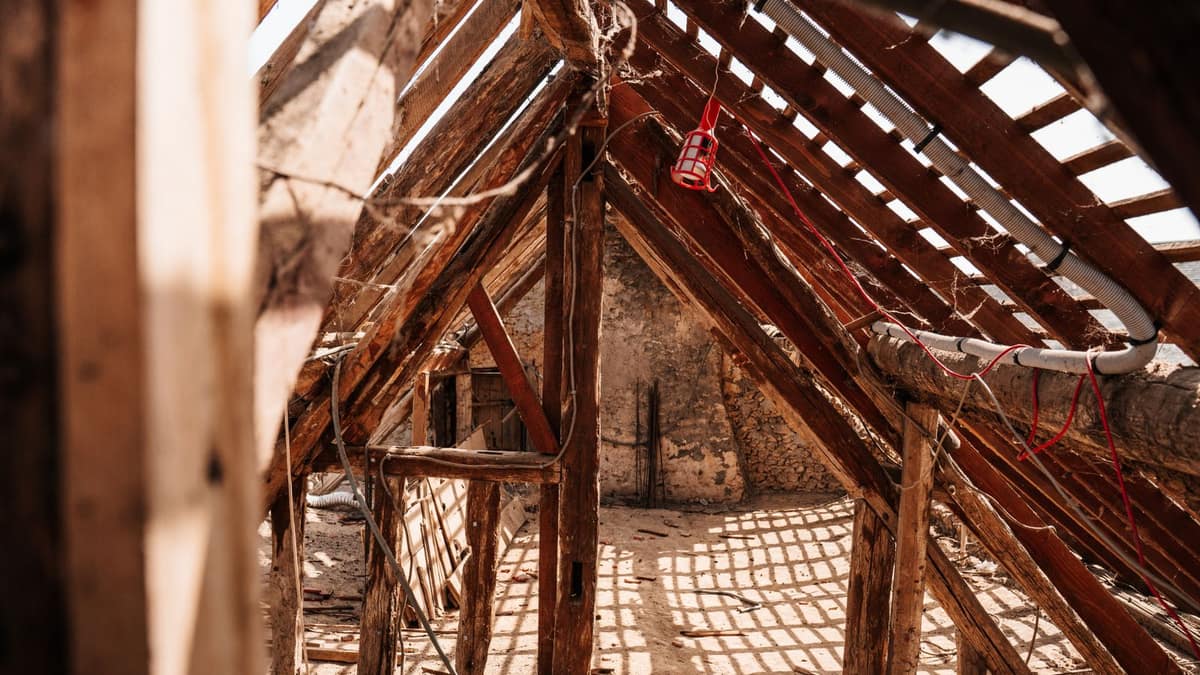
Water Dripping in the Attic After a Storm: What to Do Now
What to do first after storm damage
- Make sure everyone is safe. Stay off the roof and away from sagging ceilings or wet electrical fixtures.
- Move belongings away from leaks, catch dripping water and take dated photos of every stain and damaged area.
- Look for outside clues from the ground: shingle pieces in the yard, dented gutters and downspouts, damaged AC fins.
- If water is coming in, arrange emergency tarping to stop more interior damage.
- Book a storm damage roof inspection, then compare the findings with your policy before filing a claim.
When a roof problem is an emergency
Treat it as urgent when water is actively coming through a ceiling, a tarp has blown off, part of the roof is missing, or a ceiling is sagging. Those problems get worse with every rain and can lead to wet insulation, mold and damaged decking. Granule loss, small dents or a stain that is not growing can usually wait for a scheduled inspection, but do not wait past the claim deadline in your policy.
How these problem guides work
Each guide starts with a direct answer, lists the first steps in order, and covers the usual causes, warning signs and mistakes that make the damage worse. When you are ready for help, every guide links to the matching roofing service and the cost guide for that repair.
Problems that show up weeks after the storm
Not every sign of storm damage appears the same day. Hail bruises can lose granules over the following months, a slow leak may only stain a ceiling after the next heavy rain, and gutters loosened by wind can pull away later. Keep the date of the storm and your photos, because most policies set a deadline for reporting damage. If a new stain or leak appears weeks later, the problem guides here explain how to tell whether it is likely tied to that storm and what to do next. When in doubt, a storm damage inspection with dated photos settles the question before the reporting window in your policy closes.
Official resources for storm damage roof problems
Confirm the storm date, follow Texas claim steps and check the contractor with these official sources.
- Texas Department of Insurance: after a hail or windstorm
Step-by-step claim tips after hail or wind damage, including documenting damage and deadlines.
- NOAA Storm Events Database: Texas
Official records of hail and wind events by county and date, useful for confirming a storm date.
- Texas Attorney General: how to avoid home improvement scams
Warning signs of storm-chaser contractors and what to check before signing a roofing contract.
Free storm tools before you call
Check from the ground first: never climb onto a storm-damaged roof. These free tools help you size up the hail, your deductible and what insurance may pay before you call.