Service Process
What to Expect During an Emergency Roof Leak Repair Call
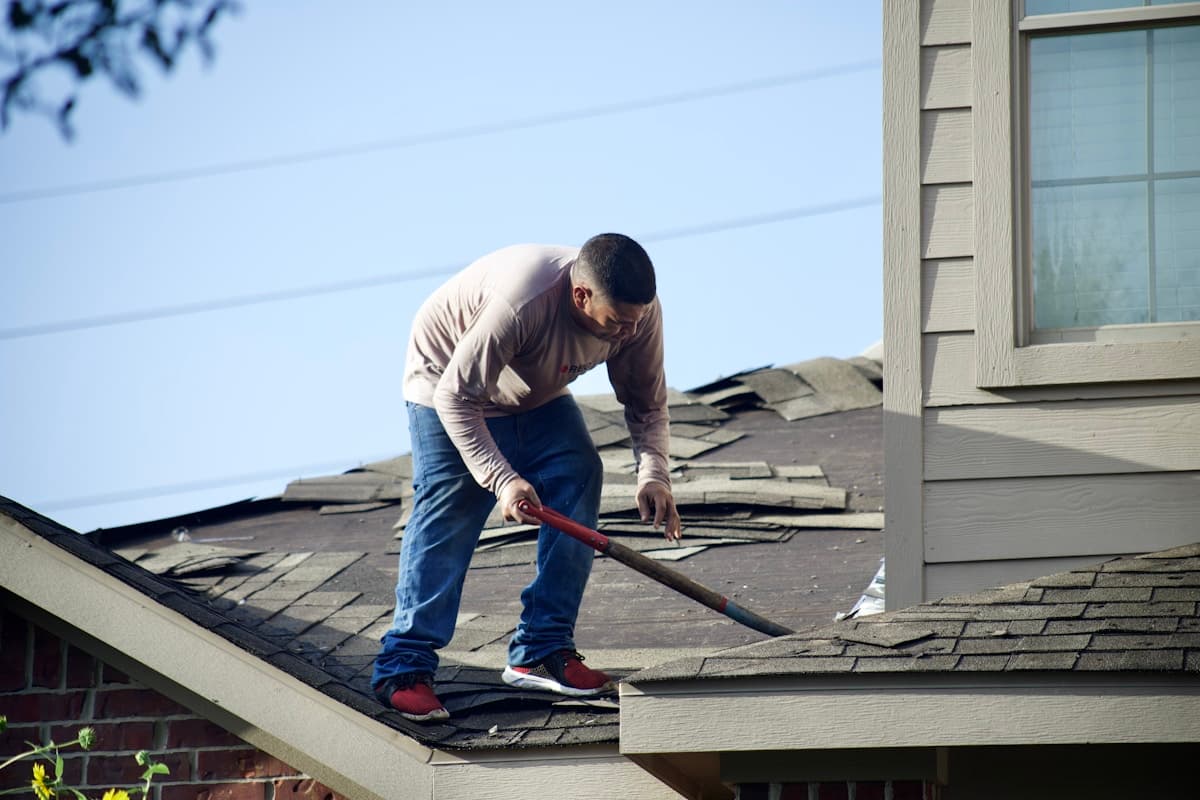
When you call for an emergency roof leak, the immediate goal is stopping water intrusion, not a full permanent repair on the spot -- a legitimate emergency response typically means assessing the leak source, installing a temporary patch or tarp to stop further damage, documenting everything with photos, and then scheduling the actual permanent repair separately once materials and a full crew can be arranged, which sometimes takes longer during high-demand periods after a widespread storm.
Direct Answer
When you call for an emergency roof leak, the immediate goal is stopping water intrusion, not a full permanent repair on the spot -- a legitimate emergency response typically means assessing the leak source, installing a temporary patch or tarp to stop further damage, documenting everything with photos, and then scheduling the actual permanent repair separately once materials and a full crew can be arranged, which sometimes takes longer during high-demand periods after a widespread storm.
What actually happens, step by step
The temporary fix and the permanent repair are two separate steps, not one visit -- knowing that upfront sets the right expectation.
- Before help arrives: prioritize safety first -- if there's a risk of structural collapse, flooding, or downed power lines, leave the area and call 911 rather than waiting on a roofer.
- Contain interior damage in the meantime with buckets to catch water and towels or a dehumidifier to limit spread, and photograph the damage for your own records and any future insurance claim.
- Avoid DIY roof repairs during an active leak -- getting on a wet, potentially damaged roof yourself is a real safety risk, and improper DIY patching can sometimes complicate an insurance claim later.
- On-site assessment: the roofer identifies the leak source (which isn't always directly above the interior water stain) and evaluates how much of the roof is affected.
- Temporary protection: a tarp or patch is installed to stop further water intrusion -- this is meant to be a stopgap, not the finished repair, and it's reasonable to ask directly which one they're using and why.
- Documentation and a written estimate: a legitimate emergency responder gives you a written scope and estimate for the permanent fix, not just a verbal number.
- Scheduling the permanent repair: this often happens on a separate visit, especially after a widespread storm affects many homes at once and materials or crew availability get tight -- ask for a realistic timeline rather than assuming it happens the same day.
What separates a legitimate emergency response from a bad one
- A same-day or rapid response for the temporary stopgap, with clear communication about when the permanent repair will actually happen.
- A written estimate and photos of the damage before any permanent work begins -- not just a verbal number and a rushed signature.
- No pressure to sign a full-scope contract on the spot during the emergency visit itself.
- Willingness to show you the certificate of insurance even during an emergency call.
Sources
The data above is cited directly from these publishers - follow the links to read the original reporting.
Frequently Asked Questions
Should I try to tarp my own roof during an active leak?
This carries real safety risk, especially on a wet or storm-damaged roof, and is generally not recommended. Contacting a professional for emergency response, and focusing your own efforts on containing interior water damage, is the safer approach.
Is the temporary tarp or patch the final repair?
No. A tarp or temporary patch is meant to stop further water intrusion until a full, permanent repair can be scheduled -- it's a stopgap measure, not a substitute for the actual fix.
Why might the permanent repair be scheduled days or weeks after the emergency visit?
After a widespread storm, many homes need repairs at once, which can stretch material and crew availability. A realistic timeline communicated upfront is a reasonable expectation, even if it isn't the same day as the emergency response.