Service Process
What Happens During a Storm Damage Roof Inspection: The Full Walkthrough
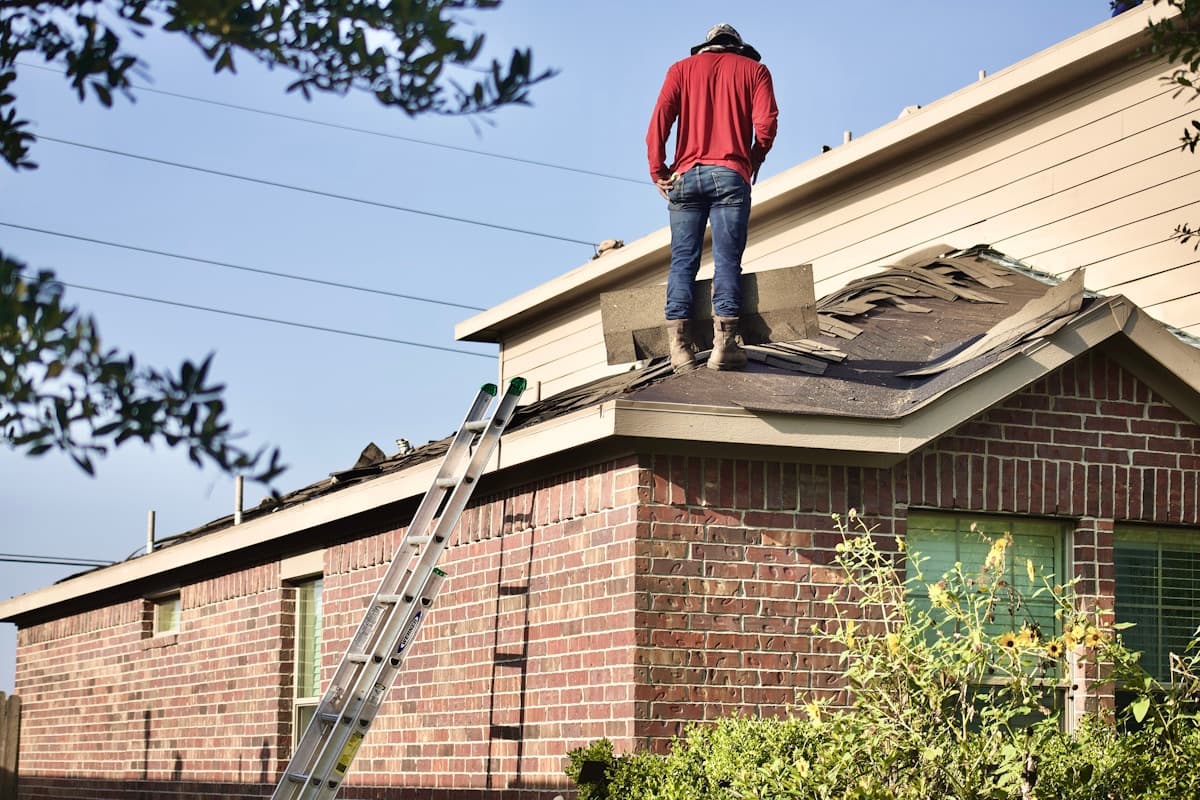
A storm damage roof inspection typically starts on the ground -- checking gutters, downspouts, AC units, and window screens for dents that suggest hail size -- before the inspector gets on the roof to check shingles for wind damage (missing, lifted, or creased shingles) and hail damage (dents or bruising), photographs and chalk-marks anything found, and then walks you through the documented findings before you decide whether to file an insurance claim.
Direct Answer
A storm damage roof inspection typically starts on the ground -- checking gutters, downspouts, AC units, and window screens for dents that suggest hail size -- before the inspector gets on the roof to check shingles for wind damage (missing, lifted, or creased shingles) and hail damage (dents or bruising), photographs and chalk-marks anything found, and then walks you through the documented findings before you decide whether to file an insurance claim.
The inspection, step by step
This is the general process a thorough inspection follows -- a legitimate inspector should be comfortable walking you through each of these steps directly.
- Ground-level check first: dented gutters, downspouts, outdoor AC units, mailboxes, or window screens are checked for hail-size dings before anyone gets on a ladder -- this gives an early read on whether hail was large enough to plausibly affect the roof.
- Gutter inspection: the inspector checks the outside of the gutters for dents and looks inside for accumulated granules, which can indicate shingle wear or impact damage.
- Shingle-by-shingle roof inspection: wind damage shows up as missing, lifted, or creased shingles; hail damage shows up as dents, bruising, or granule loss concentrated in a pattern rather than scattered general wear.
- Metal components checked separately: roof vents, flashing, and other metal fixtures are inspected for dents, since metal often shows hail impact more clearly than shingles do.
- Documentation: damage found is circled or outlined in chalk directly on the roof, then photographed as evidence, since this photo documentation is what typically gets submitted if you move forward with an insurance claim.
- The walkthrough: after coming down, a legitimate inspector shows you what was found -- not just a verbal "yes there's damage" -- and explains it using the photos, before making any recommendation.
- What the inspector can't do: an inspection provides documentation and a recommendation, but final approval of any insurance claim rests with your insurance adjuster, not the roofing contractor.
What a legitimate inspection should never include
- A guarantee that your insurance claim will be approved -- no roofing contractor controls that decision, and this promise is a documented red flag in roofing-fraud reporting.
- Pressure to sign a contract on the spot, before you've reviewed the photo documentation or had time to call your insurance company yourself.
- A request for full payment before any inspection or work has actually happened -- a free inspection should be free, with no obligation attached.
- Refusal to show you the specific photos and chalk-marked damage they claim to have found -- ask to see it directly rather than taking a verbal summary alone.
Sources
The data above is cited directly from these publishers - follow the links to read the original reporting.
Frequently Asked Questions
How long does a storm damage roof inspection typically take?
Most residential roof inspections take somewhere in the range of 20 to 45 minutes, though this can vary with roof size, complexity, and how much documentation is being gathered for a potential insurance claim.
Is a free roof inspection actually free, or is there a catch?
A legitimate free inspection should have no cost and no obligation to hire that company for repairs. Be cautious of any inspection tied to a requirement to sign a repair contract immediately or pay anything upfront.
Should I be present during the inspection?
It's not strictly required, but being present lets you see the documented damage directly and ask questions on the spot, rather than relying on a written summary afterward.